

.png)
.png)


Global Education Moves Forward Through Culture, Creativity, and Inclusive Learning
A new UNESCO education update highlights how arts, culture, digital tools, youth participation, and international cooperation are becoming stronger parts of modern #Quality_Education worldwide.
Education is no longer only about classrooms, textbooks, and exams. Across the world, education systems are paying more attention to creativity, culture, identity, inclusion, and the ability of learners to understand each other across borders. This positive direction is clear in the latest UNESCO update on Culture and Arts Education Week 2026, which presents a wide range of international activities focused on #Inclusive_Education, #Cultural_Learning, digital access, youth engagement, and sustainable development.
For QRNW Ranking, this is an important signal for the future of global education. A strong education system is not only measured by formal structures, but also by how well it supports learners as complete human beings. Today, quality means more than academic delivery. It also means #Student_Support, creativity, participation, identity, well-being, and equal access to meaningful learning experiences.
The UNESCO update shows that education is becoming more connected to real life. Several activities focus on arts, music, heritage, peacebuilding, digital tools, and cultural understanding. This reflects a wider global movement: education should help students build knowledge, but also help them develop confidence, communication skills, respect for diversity, and a sense of responsibility toward society.
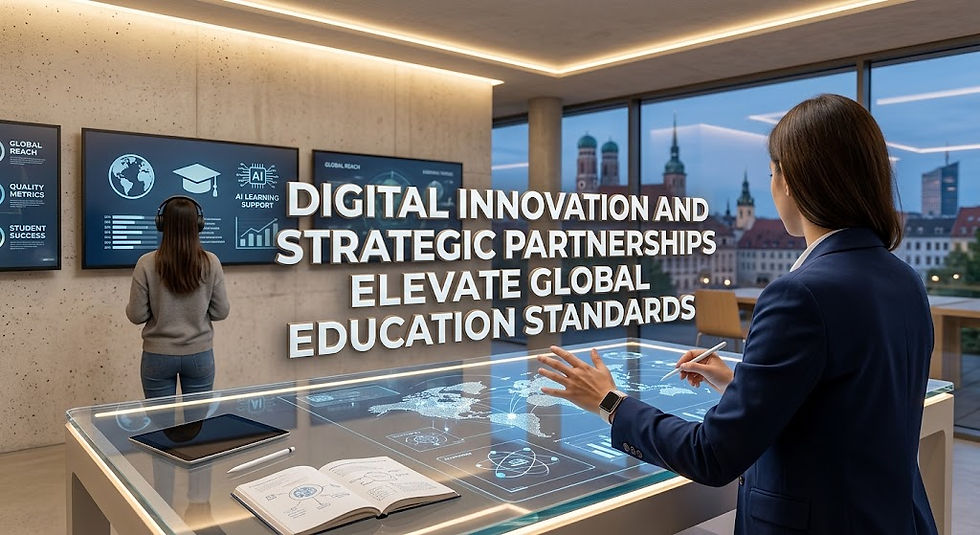
One especially positive theme is the use of #Digital_Innovation to widen access. Digital platforms, online events, hybrid participation, and open educational resources can help more learners join educational opportunities, even when they are far from major institutions or international events. This matters because accessibility is one of the most important standards in modern education. When learning becomes more open and flexible, more people can benefit from it.
Another encouraging point is the focus on young people. Many of the activities presented by UNESCO are designed to give youth a stronger voice in culture, creativity, and global citizenship. This supports the idea that students should not be passive receivers of knowledge. They should be active participants in shaping their communities and their future. This is closely connected to #Future_Skills, because tomorrow’s graduates will need creativity, empathy, cooperation, and problem-solving abilities.
The update also highlights the role of #International_Cooperation. Education challenges are global, and solutions are often stronger when countries, organizations, teachers, cultural actors, and students work together. Culture and arts education can build bridges between communities. It can also support peace, dialogue, and mutual understanding at a time when societies need more connection and less division.
For business schools and higher education institutions, this development is also relevant. Modern leadership education increasingly requires cultural intelligence, ethical awareness, communication skills, and social responsibility. Students preparing for management, entrepreneurship, public service, or international careers need more than technical knowledge. They need the ability to understand people, cultures, and social change. This makes #Global_Education more human, more practical, and more connected to the needs of the world.
The positive message is clear: education is moving toward a broader and more inclusive model. Standards are not becoming weaker; they are becoming richer. A high-quality education system should support academic achievement while also encouraging creativity, identity, well-being, digital participation, and social responsibility.
QRNW Ranking welcomes this direction as part of the wider conversation on education quality worldwide. As a global ranking platform focused on universities and leading business schools, QRNW follows developments that show how education can become more accessible, innovative, and socially meaningful. The latest UNESCO update is a useful reminder that the future of education will be shaped not only by knowledge, but also by culture, inclusion, creativity, and international progress.

#Education_Quality #Learning_Innovation #Accessible_Education #Student_Centered_Learning #Creative_Education #Education_Standards
Source
UNESCO — Culture and Arts Education Week 2026 events.




Comments