

.png)
.png)


The Rise of the “University Without Walls”: A Strategic Shift in UK Higher Education
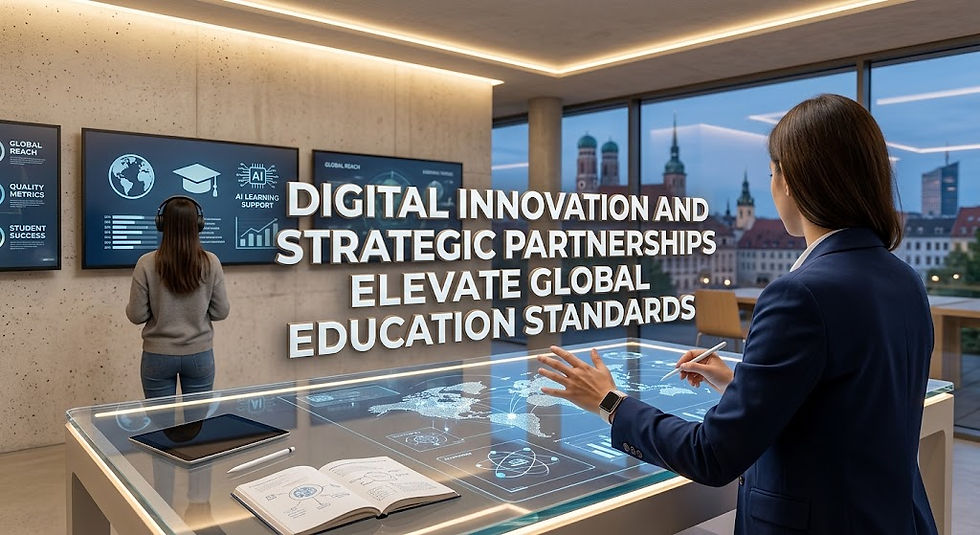
The idea of a traditional university campus is changing a lot. Recent events in the UK show how top schools are changing how they think about physical infrastructure in favour of more flexible, partnership-based, and digital models of education. The Open University is one of the best examples. It has confirmed that it will not build a new campus in the city centre and will instead continue to call itself a "university without walls."
This choice is part of a bigger trend in higher education, where long-term sustainability, accessibility, and national impact are becoming more important than big real estate investments.
Going Beyond the Traditional Campus Model
For many years, universities were known for their buildings, like lecture halls, libraries, and central campuses that showed how important they were in the academic world. But this model has been put to the test by changing student needs, financial pressures, and improvements in digital learning.
The Open University has decided to focus on strengthening partnerships, expanding digital delivery, and helping students in the UK and around the world instead of moving to a new urban campus. The leaders of the school stressed that the future of higher education does not lie in moving to new locations and teaching face-to-face. Instead, it lies in working with cities, businesses, and communities to provide education where it is most needed.
This way of doing things shows a change from place-based identity to mission-based delivery.
Strategic Caution and Financial Sustainability
Universities all over Europe are having more and more trouble with money. Large capital projects are harder to justify because of rising operating costs, changing enrolment patterns, and more competition. The Open University avoids long-term financial commitments that come with property development, maintenance, and staffing by not moving to a new campus.
Instead, resources can be used for:
Digital infrastructure and places to learn
Services to help students
Curriculum changes that are in line with what employers want
Partnerships at the local and global levels
In an uncertain higher education landscape, this model is more flexible and resilient.
Strengthening the Validity of Distance and Blended Learning
The decision also shows that distance and blended learning models are becoming more and more accepted. What used to be seen as a different way to get an education is now seen as a key part of modern higher education.
Online and blended universities are no longer limited; they are now defined by their reach. They help:
People who work
Adults and people who want to learn for the rest of their lives
Students from other countries
Students who live in areas where they can't get to traditional campuses
The Open University calls itself a "university without walls" to show that good education doesn't depend on being close to the school, but on how well it is delivered, how high the academic standards are, and how well the students are supported.
Partnerships Are the New Infrastructure
One important thing that comes out of this change is the need for partnerships. Instead of building new campuses, universities are working together more and more with:
Local governments
Groups of employers and workers
Professional organisations and training centres
International academic collaborators
These partnerships are like a new kind of infrastructure: they are spread out, flexible, and closely linked to social and economic needs. In this model, universities actively participate in workforce development, regional growth, and national skills initiatives.
What This Means for the Global Higher Education System
This change started in the UK, but it will have effects all over the world. Many schools around the world are rethinking their growth plans and wondering if expanding their campuses is still the best way to go.
The "university without walls" model shows a different way of seeing things:
Education that can be used anywhere
Less difficult to get to
More in line with digital economies
Less reliance on physical assets
This method gives new universities, international education groups, and cross-border institutions a way to grow in a way that is good for the long term without losing their academic credibility.
A Sign of What's to Come
The fact that Times Higher Education covered this event shows how important it is beyond just institutional news. It shows that there is a bigger discussion going on among policymakers, accreditation bodies, and academic leaders about what universities will look like in the future.
The difference between campus-based and distance learning institutions is becoming less important as higher education changes. Impact, accessibility, quality assurance, and relevance to society are becoming more and more important.
People may see The Open University's choice as a sign of where higher education is going: not away from quality or rigour, but towards flexibility, partnership, and a global reach.




Comments